
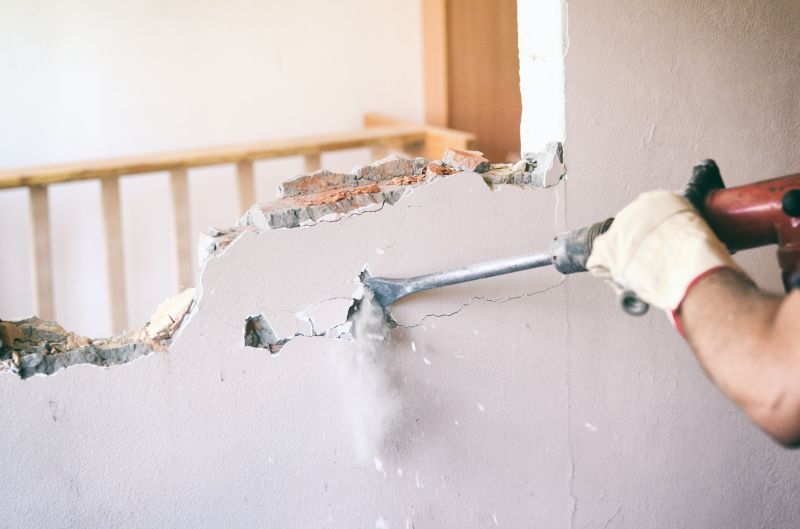
Bathroom Demolition in Bergen County, NJ
Bathroom demolition services involve the careful removal of existing fixtures, tiles, walls, and flooring to prepare for renovations or upgrades. These projects can range from partial demolitions, such as removing a shower or vanity, to complete gutting of an entire bathroom space. Property owners typically seek this service when planning a remodel, updating outdated features, or making structural changes, and they often want to understand the scope of demolition, disposal processes, and any potential impact on plumbing or electrical systems.
Before requesting bathroom demolition, homeowners should consider the extent of work needed, including whether fixtures, cabinetry, or walls require removal. It’s also helpful to clarify if the project involves demolition of waterproofing or tile surfaces, as these can require specialized techniques. Understanding the demolition process and any necessary preparations can ensure a smoother renovation timeline and help property owners plan for subsequent construction steps.
Many property owners in Bergen County, NJ look into Bathroom Demolition for repairs, replacements, upgrades, and appearance-related improvements.
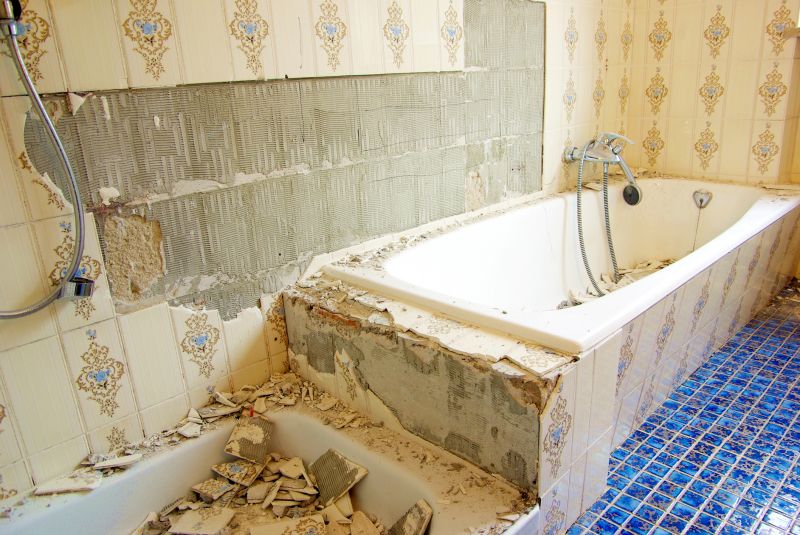
Bathroom Demolition Projects
Removing outdated fixtures and tiles to prepare for remodels or upgrades.
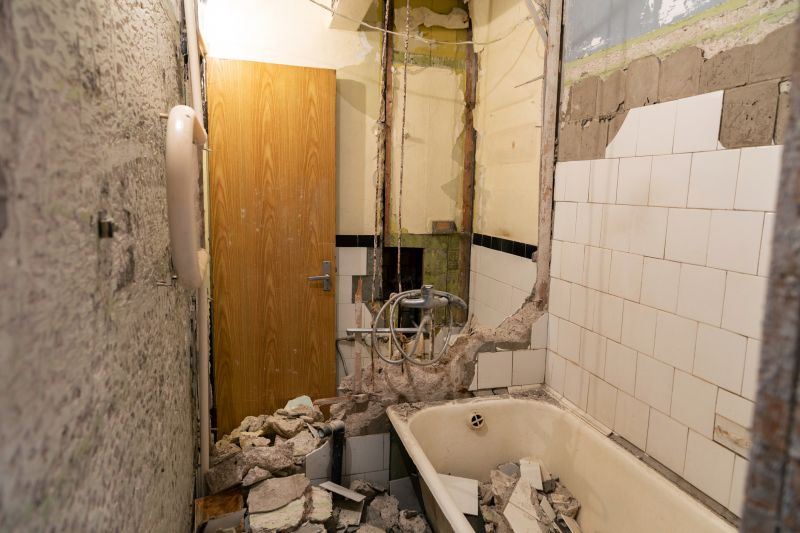
Safe Demolition Practices
Ensuring the removal of bathroom structures with minimal damage to surrounding areas.
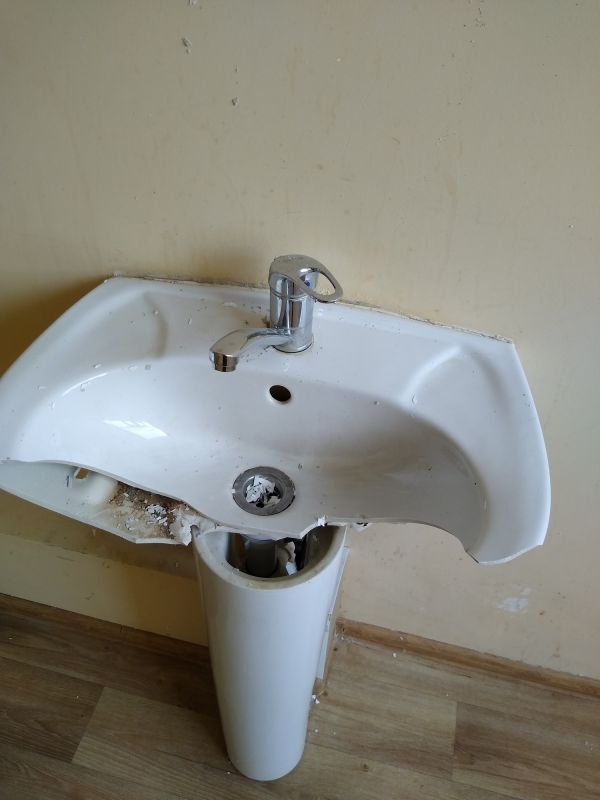
Renovation Preparation
Clearing space for new bathroom installations in bergen county and nearby areas.
Bathroom Demolition in Bergen County, NJ
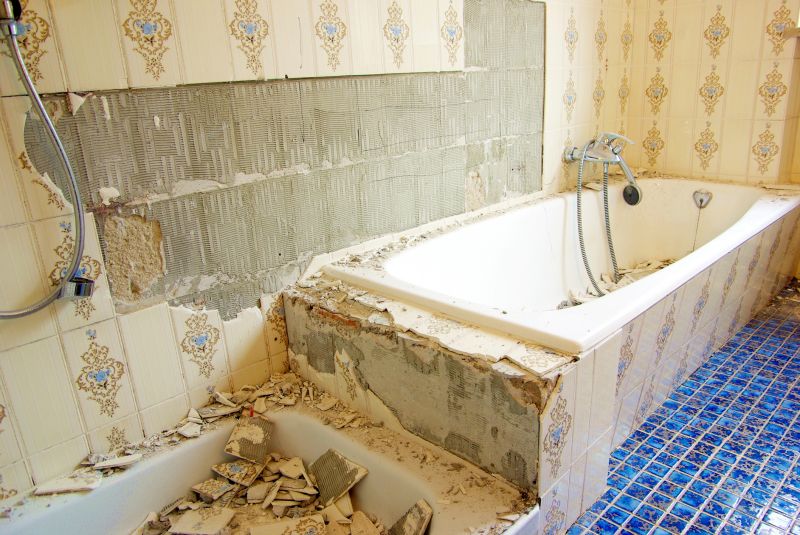
Bathroom demolition services involve the careful removal of existing fixtures, tiles, walls, and flooring to prepare for renovations or upgrades. These projects can range from partial demolitions, such as removing a shower or vanity, to complete gutting of an entire bathroom space. Property owners typically seek this service when planning a remodel, updating outdated features, or making structural changes, and they often want to understand the scope of demolition, disposal processes, and any potential impact on plumbing or electrical systems.
Before requesting bathroom demolition, homeowners should consider the extent of work needed, including whether fixtures, cabinetry, or walls require removal. It’s also helpful to clarify if the project involves demolition of waterproofing or tile surfaces, as these can require specialized techniques. Understanding the demolition process and any necessary preparations can ensure a smoother renovation timeline and help property owners plan for subsequent construction steps.
Many property owners in Bergen County, NJ look into Bathroom Demolition for repairs, replacements, upgrades, and appearance-related improvements.
Common Bathroom Demolition Jobs
Bathroom Demolition - removes outdated fixtures and structures to prepare for renovation projects.
Wall Removal - takes down non-load-bearing walls to create more open space.
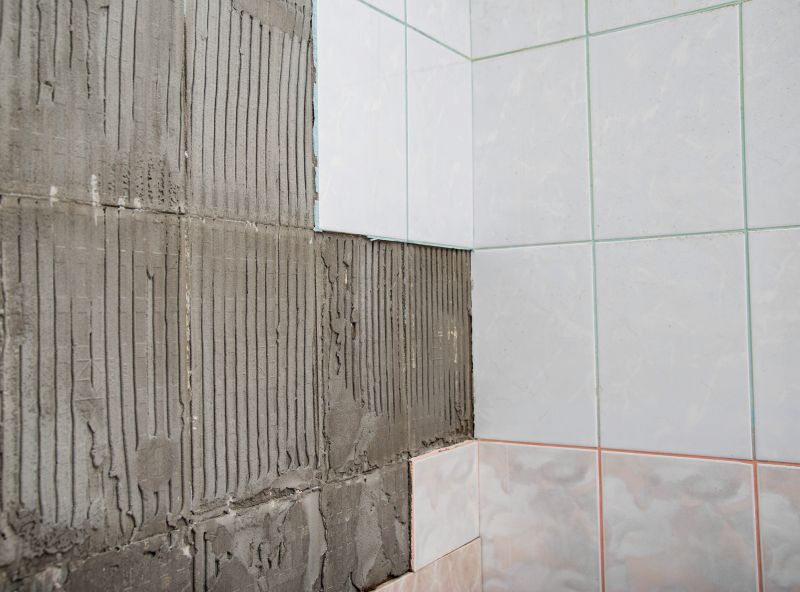
Tile and Flooring Removal - safely extracts old tiles and flooring for a fresh start.
Shower and Tub Demolition - dismantles existing units to make way for new installations.
Fixture Removal - clears out sinks, vanities, and other fixtures for remodeling.
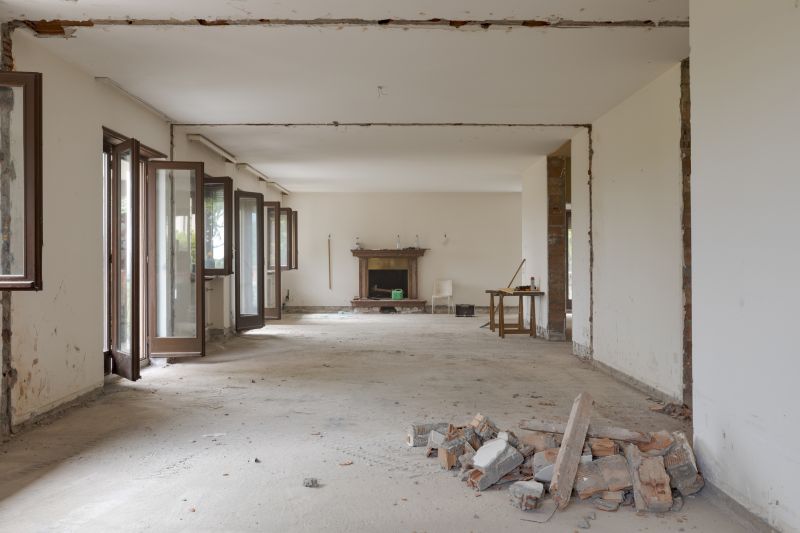
Complete Bathroom Tear-Outs - handles full demolition to facilitate complete bathroom upgrades.
Bathroom Demolition Questions
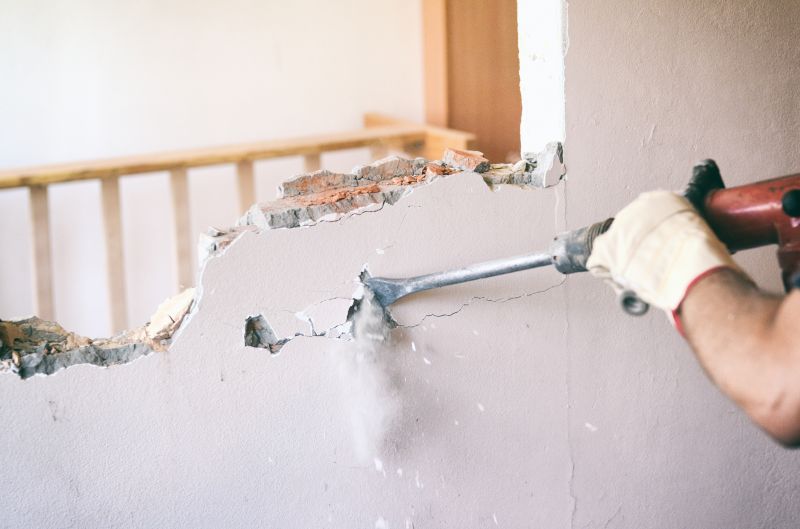
What types of bathroom demolition projects are common? Typical projects include removing old fixtures, tearing down tiled walls, and complete bathroom gut-outs for renovations.
Is bathroom demolition messy? Some dust and debris are involved, but proper containment and cleanup minimize disruption during the process.
What should be prepared before demolition begins? Property owners should remove personal items and ensure access to plumbing and electrical fixtures for safe removal.
Are there any permits required for bathroom demolition? Local regulations may require permits for certain types of demolition or renovation work; checking with local authorities is advised.
Request Bathroom Demolition in Bergen County, NJ
Use the quote form on this page to share the basics of your project and request more information for the type of work you need.